Need home tree removal in Covington?
- Request an estimate in a few minutes
- Compare approaches before you decide
- Help with stumps and storm damage
- No obligation
No obligation
Request an estimate and compare
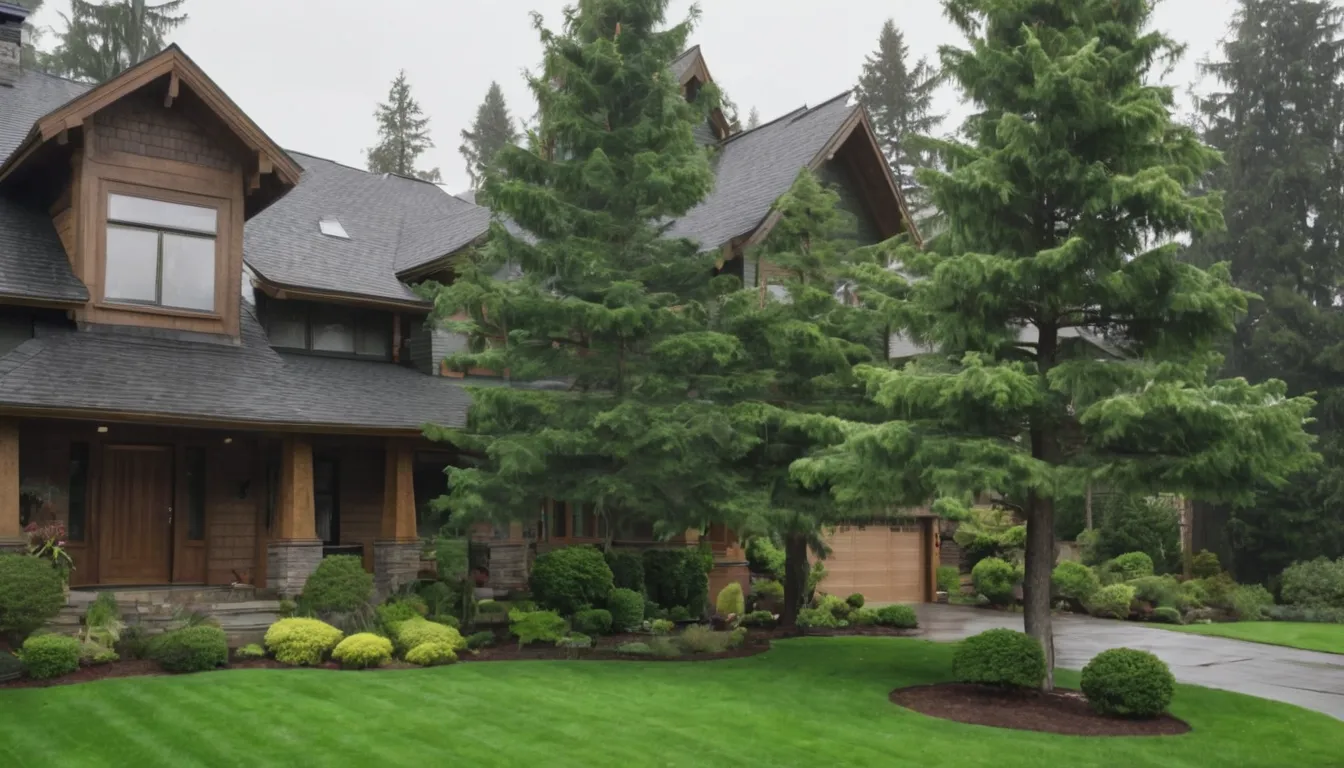
A tree is a bit like a very tall neighbor you never chose. Most days it is quiet and helpful. Then a crack, a lean or a heavy limb over the roof makes you wonder what comes next.
Advicepersonnel Tree Service is a referral service. We do not remove trees ourselves. We connect homeowners in Covington and the Covington area with independent providers in our network. You describe the tree, a provider responds, and you compare estimates at your own pace. Nothing is decided for you, and there is no obligation. Small problem, simple step.
Start with a simple question. Is the tree close to your house, a fence, a power line or a driveway? If yes, and it looks different than last season, treat it as time-sensitive.
Think of a loose tooth. You can ignore it for a while, but it rarely fixes itself. A quick look from a professional is cheaper than the surprise.
Some signs deserve attention soon. Others can wait a few weeks while you compare.
If you see more than one, say so when you describe the tree. Providers can then judge how urgent the job is.
A long rainy season is like a sponge that never dries. Soil stays soft, roots lose grip, and a windstorm then pushes on a tree that is already loose. Moss and damp can also hide rot on bark.
That does not mean every tree near wood-frame homes or older craftsman houses must go. It means a lean or a crack is worth a second look before the next storm.
Not every removal is an emergency. Many people simply want a tree gone for good reasons.
Picture taking apart a tall bookshelf. You do not tip it over. You lift the books down first, then the shelves, then the frame. Tree work follows the same order.
A provider looks at the site, plans where each piece can safely go, and sets up protection for the yard. Then the work begins from the top or the outside edges and moves inward.
If there is open space, a provider may cut the tree so it falls in one direction. Near a house or fence, they often remove it in sections and lower each piece with ropes or a crane. Sectional work takes longer, so it usually costs more.
Pieces are cut into logs or chipped. Many providers haul everything away. Others leave logs or chips if you ask. Make sure this is written in the estimate.
Pricing is like moving house. A small apartment and a full home are both moves, but they are not the same job. Height, trunk width, tight access and nearby wires all change the work.
Typical U.S. prices vary a lot, so use the table on this page as a rough guide only. Always ask for a written quote that lists exactly what is included.
Some cities protect certain trees by size or species. Others have rules near streams, slopes or the street. Rules differ by location, so it is smart to ask.
A local provider often knows when a permit applies. You can also check with your city or county office before work begins. Think of it as reading the sign before you park.
Buying tree work is like choosing a mechanic. One quote alone tells you little. Two or three show you the range and the differences in approach.
Compare more than the number. Look at what is removed, what is cleaned up, and how the provider plans to protect your lawn and roof. Take your time. Compare, then decide.
A short list keeps the conversation calm and clear.
Ask for proof of insurance directly from the provider. Do not rely on a verbal answer alone.
Prepare the way a host prepares for guests: clear a path. Move cars out of the driveway, and put away furniture, toys and planters near the tree. Tell neighbors that noise is coming.
If pets are around, keep them indoors. Make sure the provider knows where gates, sprinklers and buried lines are.
Walk the yard with the provider before they leave. Check that the area is raked and that the fence, roof and lawn look as they did before. Compare it with your written quote.
You may want to plan for the stump, new planting or a lighter, sunnier garden. Wet soil is gentle on new roots, which makes it a fine time to plant.
If the tree is leaning or a limb is hanging, Request a callback to check provider availability. Many providers can respond quickly, and hours vary by provider.
Prefer to write it out? Send a few details through the request form and compare what comes back.
A provider looks at the tree, the lean, the roots and the space around it before suggesting a plan.
Work is planned in sections or as a single fall, depending on your yard, house and nearby wires.
Many providers remove logs and branches, or chip them. Confirm in writing what is included.
Ask for raking and a final walk-through so the area is left tidy and checked.
These are typical U.S. ranges, and real prices vary by tree, access and location. Use them to spot what seems unusual, then ask each provider for a written quote that lists what is included.
| Job type | Typical range | Notes |
|---|---|---|
| Small tree (under 30 ft) | $150 – $500 | Easy access keeps the price lower |
| Medium tree (30–60 ft) | $400 – $1,200 | Depends on trunk width and drop space |
| Large tree (60+ ft) | $1,000 – $3,000 | Often cut in sections near buildings |
| Tight access or near wires | $500 – $2,500+ | Extra rigging or equipment may apply |
| Debris haul-away | $75 – $400 | Sometimes included, sometimes separate |
| Stump grinding add-on | $100 – $600 | Often priced by stump width |
Tell us the size, location and anything that worries you, such as a lean or cracks.
A local provider in our network gets back to you to talk through the job.
Look at scope, cleanup and price side by side. Ask questions until it makes sense.
Pick the provider and timing that suit you, or walk away. There is no obligation.
Hear from independent providers and look at the details side by side before you choose.
Requesting an estimate is no obligation. Decide only when the plan feels clear.
Describe the tree once instead of explaining it to many companies.
Providers in our network know local weather, soil and common neighborhood rules.
Typical U.S. prices run from a few hundred dollars for a small tree to a few thousand for a large one. Access, height and nearby wires change the total, so get a written quote.
Sometimes. Rules depend on your city or county and may cover tree size, species or location. Ask a provider and check with your local office before work starts.
Some policies may cover sudden damage, such as a tree falling on a house. Routine removal is often not covered. Check your policy, and providers can often help document damage for a claim.
Tell Advicepersonnel Tree Service about your tree and request an estimate. You can also request a callback to check provider availability. There is no obligation to hire anyone.
No obligation