Ready to Compare Options in Kent?
- Request an estimate in a few minutes
- Compare approaches before you decide
- Help with stumps and storm damage
- No obligation
No obligation
Request an estimate and compare options
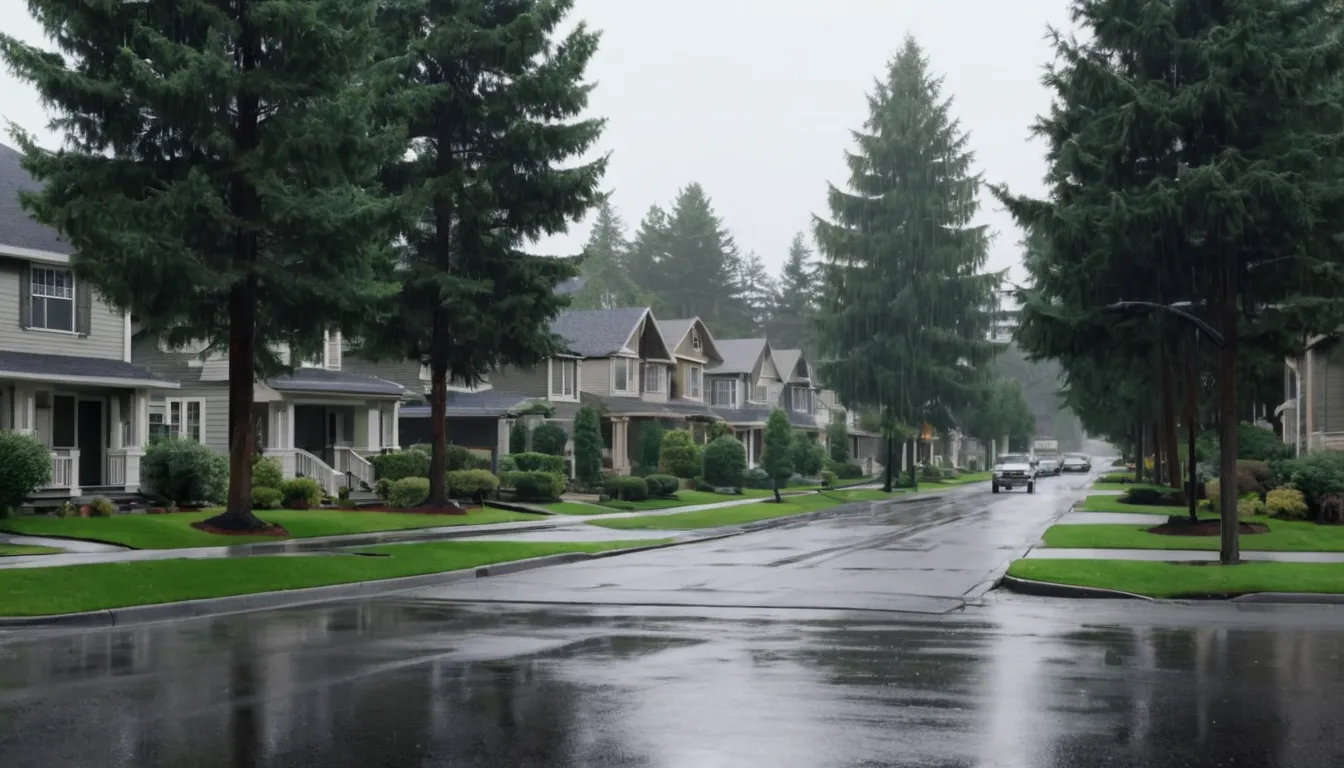
A tree can look calm for years and then change during one wet, windy week. If you live in Kent and wonder whether a tree near your house is safe, this page walks through the basics slowly. You will see what to document, which warning signs to watch for, what drives the price, and which questions help you compare independent providers in our network. Nothing here pushes you to act. It simply helps you decide with clear information.
Think of a tree problem like a small dent in a car door. If you photograph it early, the story is easy to tell later. Many Kent homeowners wait until a limb has already landed on a fence or roof, and then wish they had pictures from before.
Some policies may cover sudden damage from a fallen tree, but coverage depends on your policy, so read it or ask your insurer before you decide anything. Providers can often help document damage for a claim, such as noting what was cut and why. Take wide photos, close-ups of cracks or lean, and write down the date. Keep every written quote in one folder.
A tree is a bit like an iceberg. What you see above ground is only part of the picture. In the wood-frame and older craftsman homes common across the region, a tree that seems fine can still be weak in places you cannot see.
Here are signs worth noting:
Look before it leans. Small problem, simple step: describe what you see and let a provider take a closer look at your Kent property.
Request a callback to check provider availability, or use the request form if you would rather write it down.
Wet soil works like a sponge holding a heavy book. When it is soaked, it stops gripping. After a long season of steady rain, roots can lose their hold, and an ordinary windstorm may push a tree over. Moss and damp can also hide rot on bark and branches.
Mild temperatures keep trees growing, so limbs get long and heavy. Requests for storm tree clearance usually rise after strong winds. If a tree is already down and touching a line, stay back and contact your utility first. Emergency tree removal is a different job from planned removal, and a provider can help you tell which one you have.
Pricing is like moving furniture. One chair is simple. A piano on a staircase is not. Typical U.S. ranges look like this, though every job differs:
Height, trunk width, access, nearby structures, power lines and hauling away debris all move the number. Storm conditions can raise it too. Ask for a written quote that lists exactly what is included.
Picture a short checklist taped to your fridge. These questions make quotes easier to compare:
Line up two or three answers side by side. The differences usually show up quickly, and you can decide without pressure.
Myth: A tree with green leaves must be healthy.
Fact: Leaves can stay green while the trunk or roots are failing.
Myth: Only huge trees need a professional.
Fact: Medium trees near a house can cause real damage, and cutting under tension is risky.
Myth: Asking for an estimate means you have to hire someone.
Fact: There is no obligation. You can compare and walk away.
If a tree in Kent has been on your mind, describing it is a small first step.
Share details once, hear from independent local providers, and put the written quotes side by side. You choose the one that fits, or choose none at all.
We explain removal, stump grinding and storm clearance in simple words, so you know what to expect before anyone arrives.
Long rainy seasons and windstorms stress trees in the region. Providers in our network know how soaked ground affects roots and limbs.
Instead of calling around alone, you describe the tree once and get pointed to a provider who works near Kent and can discuss it.
Tell Advicepersonnel Tree Service about your tree and request an estimate. You can also request a callback to check provider availability. There is no obligation to hire anyone.
No obligation