Need emergency tree removal services in Covington?
- Request an estimate in a few minutes
- Compare approaches before you decide
- Help with stumps and storm damage
- No obligation
No obligation
Request an estimate
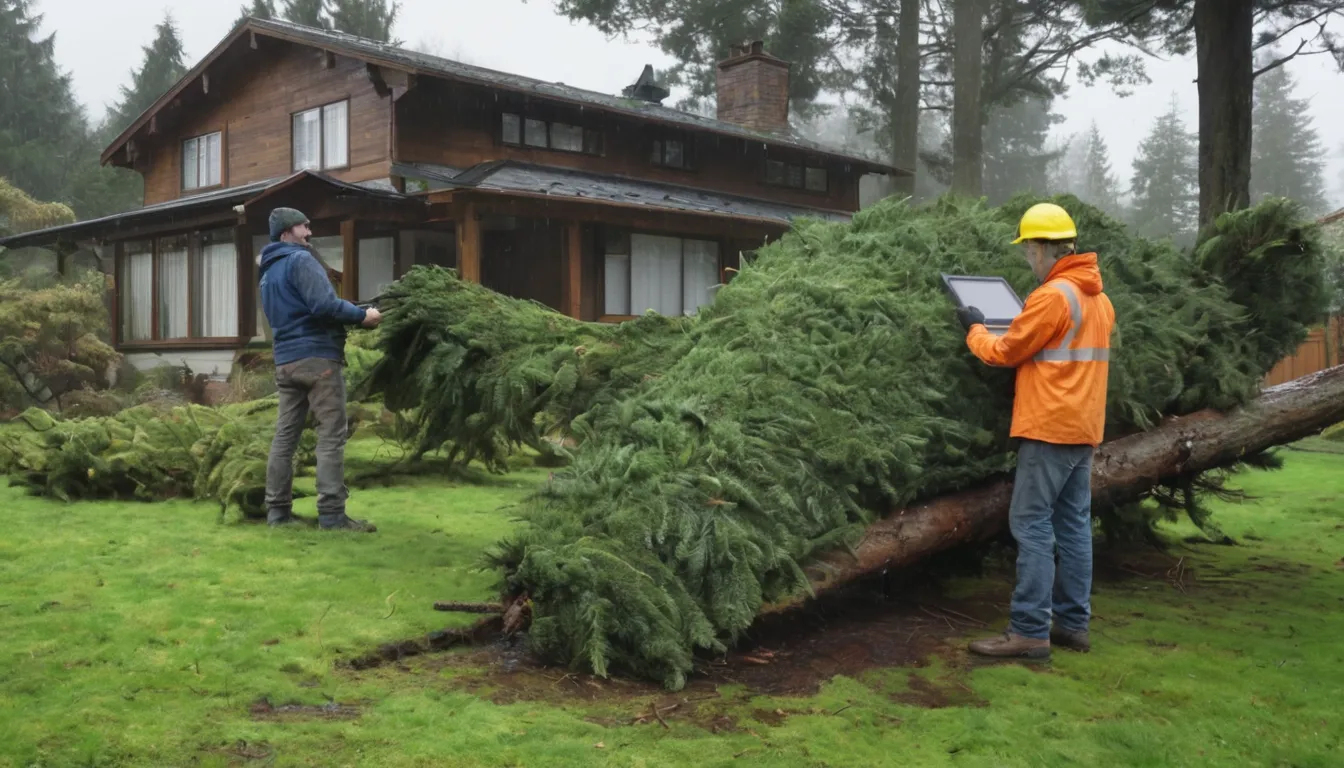
A tree on the roof, across the driveway or tilting after a windy night is stressful. Advicepersonnel Tree Service is a referral service. We do not cut trees ourselves. We connect homeowners in the Covington area with independent local providers who handle emergency tree removal and storm tree clearance.
Think of us like a good directory with a patient guide attached. You describe the tree, a provider in our network gets back to you, and you can compare what each one offers. Many providers can respond quickly, though availability changes with the weather. Nothing is decided for you. You hear the options, ask your questions, and say yes only when it feels right. If you want to talk it through, Request a callback to check provider availability.
A fallen tree is a lot like a heavy bookshelf that has tipped over. It looks still, but it can hold a surprising amount of tension. Wood that is pinned, bent or wedged can shift when someone moves it.
So the first job is simple. Keep people and pets away, stay out from under the branches, and do not try to cut anything yourself.
If a branch or trunk touches a wire, treat the wire as live. Stay well away and keep others back too. Contact your utility company about the line. A tree service provider usually cannot work near a live wire until the utility has made it safe.
Not every tree problem is an emergency. These are the signs that usually deserve fast attention:
Think of a leaky faucet versus a burst pipe. One can wait for a normal appointment. The other cannot.
A tree that is stable, away from your house and not blocking anything may be fine until a provider can schedule it. A tree that is moving, cracked or touching the house should be looked at as soon as a provider can reach you. If you are unsure, send photos and let a provider tell you what they see.
Storm tree clearance usually follows a plain order. A provider looks at the site first. Next they decide how the tree can be taken apart safely. Then they cut it down in sections, move the wood, and clear the path.
When a tree rests on a roof, the work is slower. Weight has to come off in small pieces so the damage does not get worse. Think of pulling one block from the bottom of a tower. You work from the top down.
A tree falling service handles the cutting and lowering of trees, whether they are still standing or already down. Some providers use ropes and rigging. Others bring a crane or a lift for tight spots. Which tools fit depends on the tree, the slope and what sits underneath it.
In a long rainy season, the ground acts like a soggy sponge. Roots lose their grip, and a steady wind can push a tall tree over more easily. Shallow roots, moss on the trunk and older trees near homes all add risk. After a windstorm, check the soil near big trees for cracks or bulges.
Under stress, it is tempting to say yes to the first offer. A short pause usually helps. Ask two or more providers in our network for an estimate and set them side by side.
Look at what is included, how the work will be done, and when they could arrive. A low-sounding offer is not always the clearest one, so read the details. There is no obligation when you request an estimate.
A few clear pictures can save a lot of back and forth. Take them from a safe distance. Show the whole tree, the damage, and anything close by, like a fence, a roofline or a wire. Add a note about access, such as a narrow gate or a steep yard.
Some policies may cover sudden damage from a fallen tree, but the details differ. Check your policy, or ask your insurer what applies to you. Providers can often help document damage for a claim with photos and a written description of the work.
Keep your own photos too. Save every written quote and invoice. Your insurer may want them.
When wind hits a whole neighborhood, many homes need help at once. Providers get busy, and waits can stretch. That is normal, not a sign that something went wrong.
If your tree is not a danger to the house right now, a provider may ask you to wait while they handle tougher jobs first. Tarping a roof or moving cars out of range, when safe, can help while you wait.
Once a tree is down, a stump often remains. It is a separate job, so ask the provider whether it is part of the quote or priced on its own.
A yearly look at your trees is like checking the batteries in a smoke alarm. It is quick and easy. Walk the yard after the wet season and look for dead branches, leaning trunks, mushrooms at the base or limbs hanging over the roof. Small problems are cheaper and calmer to fix than broken ones.
Before you agree to anything, ask a few plain questions:
If a tree is worrying you, reaching out sooner is usually easier than waiting. Request a callback to check provider availability, or send a few details through the request form.
Providers cut and clear trees that have come down on yards, fences, driveways or roofs.
Broken limbs and trunks are cut into pieces and hauled off so paths and yards open up.
A provider can check a tilting or cracked tree and explain whether it needs to come down.
Many providers can share photos and written details that may help with an insurance claim.
Emergency tree work varies a lot by tree size, access and damage. These are typical U.S. ranges only. Always ask for a written quote before work begins.
| Job type | Typical range | Notes |
|---|---|---|
| Small tree or large limb removal | $150 – $800 | Easy access keeps the price lower |
| Medium tree removal | $500 – $1,800 | Height and nearby structures matter |
| Large tree removal | $1,200 – $3,500 | May need rigging or a crane |
| Tree on a roof or house | $1,500 – $5,000 | Extra care and slower sectional work |
| Storm debris cleanup | $300 – $2,000 | Depends on the amount of wood to haul |
| Crane or lift add-on | $500 – $2,000 | Used for tight yards or heavy trunks |
Tell us where the tree is, what happened, and share a few photos if it is safe.
A local provider in our network gets in touch to ask questions and talk through timing.
Review the written details, the method and the timing from each provider you hear from.
Choose the provider that fits, or take more time. The choice is yours.
One request reaches independent local providers, so you spend less time scrolling and phoning around.
See more than one estimate side by side before you choose anything.
Requesting an estimate carries no obligation, and you decide at your own pace.
Providers in our network know the area's wet weather, soft soil and older homes.
Start by getting everyone to safety and staying clear of power lines. Then contact a local tree provider, and your insurer if you plan a claim. You can request an estimate here to reach providers in our network.
Costs vary by tree size, access and damage. Small jobs may run a few hundred dollars, while large trees on a roof can reach several thousand. Typical U.S. ranges are only a guide, so ask each provider for a written quote.
It depends on your policy and what the tree hit. Some policies may cover sudden damage, but others may not. Check your policy or ask your insurer. Providers can often help document damage with photos and a written description of the work.
Tell Advicepersonnel Tree Service about your tree and request an estimate. You can also request a callback to check provider availability. There is no obligation to hire anyone.
No obligation