Take the First Small Step Today
- Request an estimate in a few minutes
- Compare approaches before you decide
- Help with stumps and storm damage
- No obligation
No obligation
Describe your tree, get an estimate
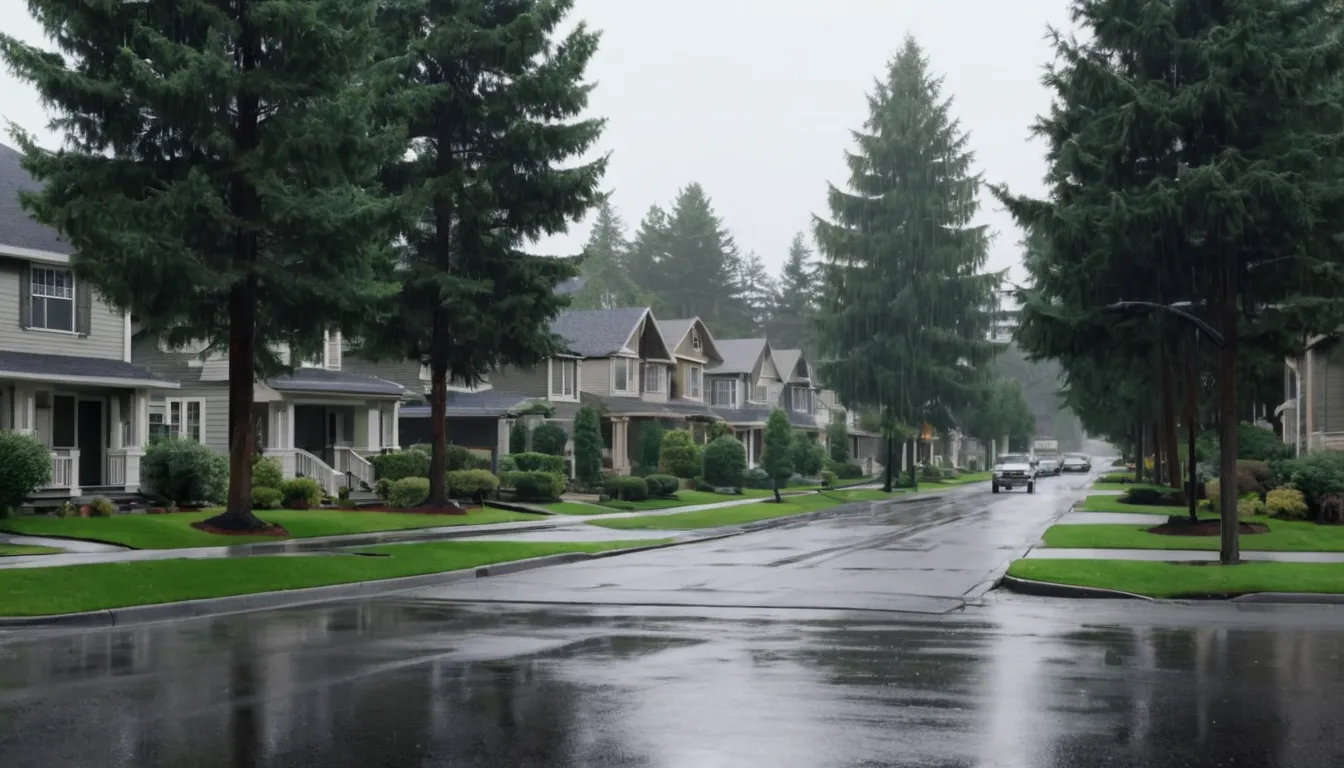
Most tree trouble gives a hint before it becomes a big job. A slight lean, a crack, or a patch of soft wood can be that hint. This page is for South Hill homeowners who want to understand what they are seeing and what to do next. We cover warning signs, first steps, price factors and paperwork, then connect you with an independent provider in our network when you are ready.
A squeaky stair is a good comparison. It rarely fails the first day it squeaks, but it is telling you something. Trees do the same thing, just more slowly.
Look for fungus, crumbly wood, or soil that has lifted on one side. Older craftsman homes and newer townhomes alike can have roots tucked close to crawl spaces and foundations, so check there too.
Bare branches in the crown, split joints, and limbs hanging over a roof deserve attention. Moss is common in damp regions and is usually harmless on its own, but heavy moss can hide what is underneath.
If any of this sounds familiar at your South Hill home, a provider can look closer.
Think of it like spotting a small leak under a sink. You do not need to fix it right away, but you do need to keep things safe and gather facts.
Look before it leans. Small problem, simple step. If the tree has already fallen or is badly split, ask about emergency tree removal. Many providers can respond quickly, but availability varies.
Request a callback to check provider availability near South Hill.
A neighbor with a ladder will usually get to your gutter sooner than someone across the county. Tree work has the same pattern. A provider who works around South Hill already knows the local lanes, the way wet clay soil behaves after weeks of rain, and how storm tree clearance tends to stack up after a windy night.
Less searching also matters. Instead of ringing a dozen listings, you describe the job once. A tree falling service or a planned removal both begin the same way: someone looks, explains the options, and gives you a written quote.
Price works like a grocery bill. The basket matters more than any single item. Typical U.S. ranges, which vary by job:
The main drivers are height, trunk size, how close the tree is to a house or wires, and how much has to be hauled off. Urgent storm work can cost more. Get at least two written quotes, and check that each one lists cleanup and stump handling so you compare like with like.
Paperwork is like a map you draw before a trip. It will not drive for you, but it helps you find your way. Some policies may cover sudden damage, such as a tree that falls on a house, while slow decay is often treated differently. Coverage depends entirely on your policy, so check it or ask your insurer.
Providers can often help document damage for a claim by noting what was cut and taking photos during the work. Keep your own pictures, the written quote, and the final invoice together.
When you are ready, tell us about your South Hill tree, compare what comes back, and decide with no obligation.
A short list of warning signs helps you notice a lean, crack or soft base early, when options are wider and decisions feel calmer.
Know what to do in the first hour: keep distance, take photos, and avoid cutting leaning wood yourself.
Independent providers in our network work near you, so they understand local soil, rain and wind patterns affecting yards.
Ask for written estimates that list cleanup, hauling and stump work. Comparing like with like makes the choice clearer and less stressful.
Tell Advicepersonnel Tree Service about your tree and request an estimate. You can also request a callback to check provider availability. There is no obligation to hire anyone.
No obligation